He had been a really good trotter in Europe and moved with his trainer to the US. At first some questioned if an 8-year-old European trotter they barely had heard of could compete with the best North Americans. But, as the trotting world quickly realized, the question was rather how the best North Americans could compete with the European speed demon. As it turned out, when Sebastian K was at his best, they simply didn’t stand a chance.
Read MoreThe idea of crossing trotters and pacers is nothing new, and every so often a star trotter with this background emerges. In the 1970s the foremost trotter-pacer cross was Zoot Suit, bred by Norman Woolworth. His oddball pedigree meant he wasn’t an attractive stallion to US breeders upon retirement, but in Sweden he was welcomed with open arm and became a stallion sensation.
Read MoreThe third filly to win the big race, The Marchioness was the first winner of a four-heat Hambletonian, the first winner with a female owner and the only one whose trainer and driver previously trained trotters for the Russian czar.
Read MoreShe was voted the “Greatest of All Time” in an online poll in 2020, and for good reason: Moni Maker put in numerous memorable performances on two continents to forever cement her place as one of the best in trotting history. Her regular driver Wally Hennessy is certain: “She is the greatest trotter who ever lived.”
Read MoreA supremely fast trotter, he is most famous for stumbling shortly ahead of the wire in the Hambletonian with victory within reach. Sold to Europe not long after equaling a world record at 4, Brown Berry later likely became a clandestine stallion in France.
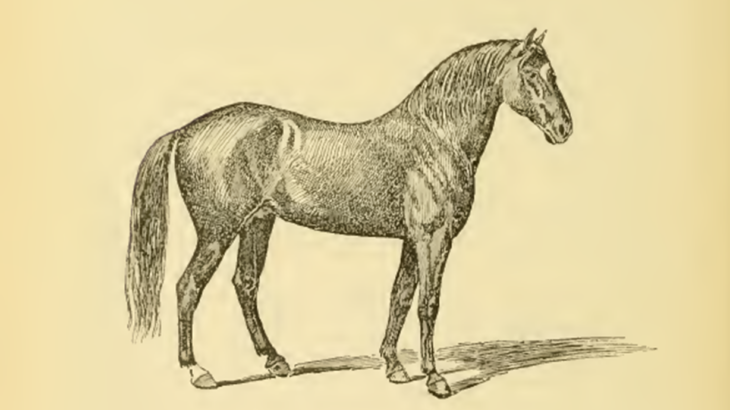
Read MoreHe was discredited and a victim of manipulation of historical facts. As head of the family carrying his name, Henry Clay was the offer of malicious rumors, but did play a role in the development of both the American and French trotter.
Read MoreThroughout history, several early favorites have missed out on the Hambletonian. In virtually all cases, though, it’s been a matter of illness or accident. That was not, however, the case with the super-talented Fireglow. Close to 100 years later the circumstances of his death are still shrouded in mystery. The question is, did somebody kill the “the greatest talent ever” just a few weeks prior to the Hambletonian?
Read MoreHe was seemingly on his way to massive international stardom, but lady luck didn’t shine her light on Rudolf Le Ann. His owner died in a plane crash on the way to watch his beautiful black colt race, and two years later, as the colt appeared to be “better than ever,” he was struck with a life-threatening illness which set him back permanently.
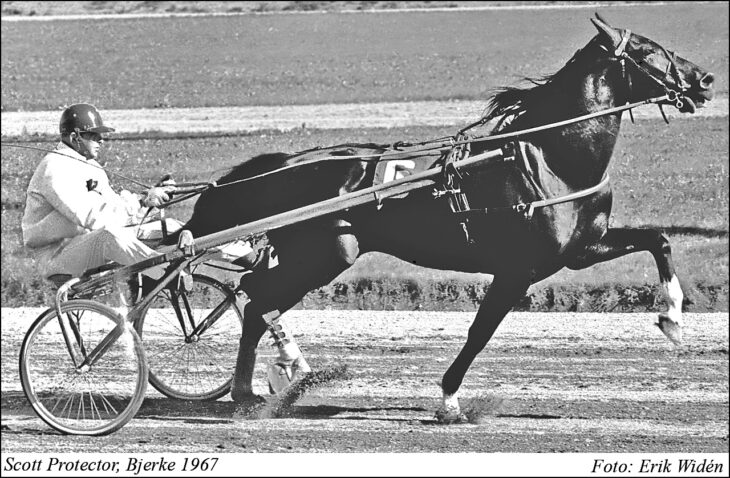
Read MoreHe was one of Norway and Scandinavia’s best trotters for years and hailed from an exceptional group of siblings that included several elite trotters. Though described as “the most intelligent trotter I have ever dealt with”, Scott Protector could be grouchy and a handful at times. Regardless, he was an excellent trotter – and when that wasn’t enough, his trainer employed team tactics against the opposition.
Read MoreShe was one of the most famous trotters around the time Hambletonian was born, but we don’t even know her name. In the mid and late 1840s, one gray mare was dominating among the New York roadsters. That was Captain Roberts’ mare. Her name, breeder and pedigree is lost to history – but not her abilities. The unnamed gray wonder founded a family that has thrived throughout trotting history.
Read More