
He was one of the thousands of Orlov trotters exported from Russia in the golden age of the breed. Kozyr found a new home in France, was one of the best aged trotters in France for several years and is today found in every French pedigree.
Read More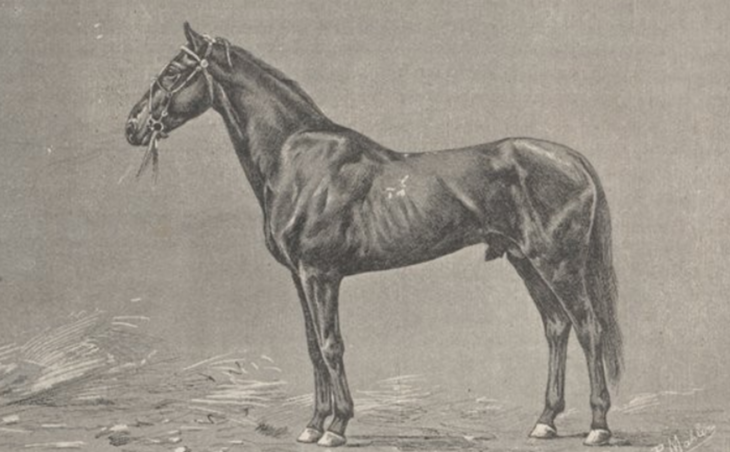
He was one of the thousands of Orlov trotters exported from Russia in the golden age of the breed. Kozyr found a new home in France, was one of the best aged trotters in France for several years and is today found in every French pedigree.
Read More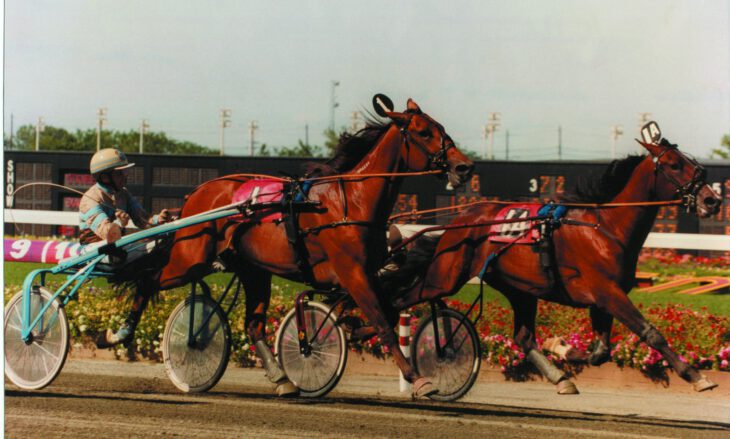
He was the unlikeliest of Hambletonian heroes. His breeder felt forced to buy his dam despite not wanting her, and also felt cheated when he first saw his new broodmare. His trainer cheered for another horse. His driver felt so sure he couldn’t win that he didn’t even invite his family. But in the 1992 Hambletonian final, Mickey McNichol and Alf Palema found the tiniest of openings to sprint to victory.
Read More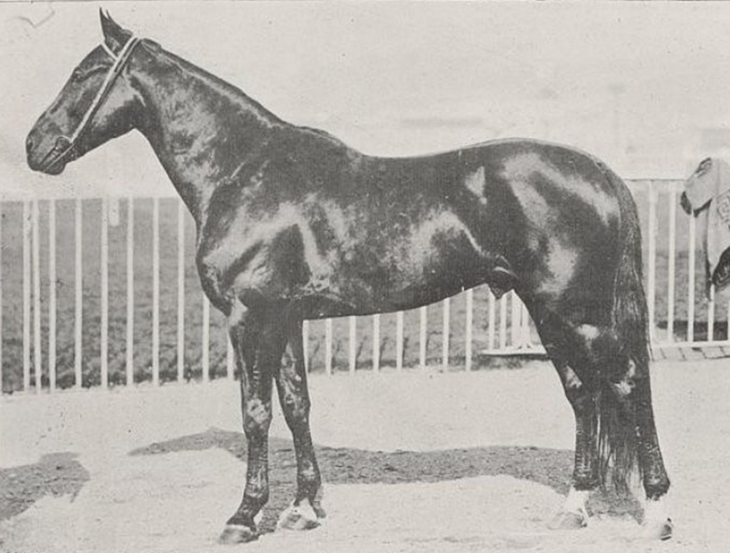
The blue-blooded Kentuckian excelled in Europe, becoming the first horse to win an international race at Vincennes and later went on to be a stallion champion, siring the first European-bred 2:05 trotter and multiple Derby-winners.
Read More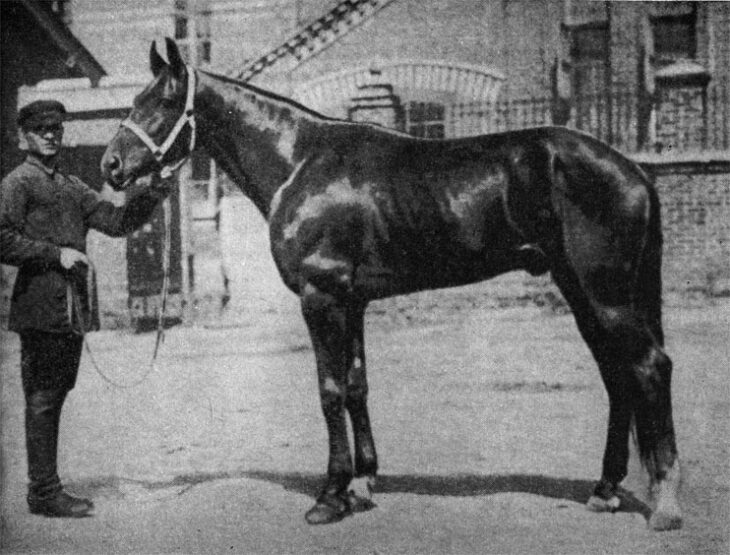
The first World War took an especially heavy toll on Ukraine as well as the Russian Empire as almost all horses perished. One US import survived, however, and after the war gave birth to one of a good trotters who turned out to be one of the best stallions ever seen in Eastern Europe. While he was very good on the tracks, as a stallion Gildeets dominated Soviet trotting for many years.
Read More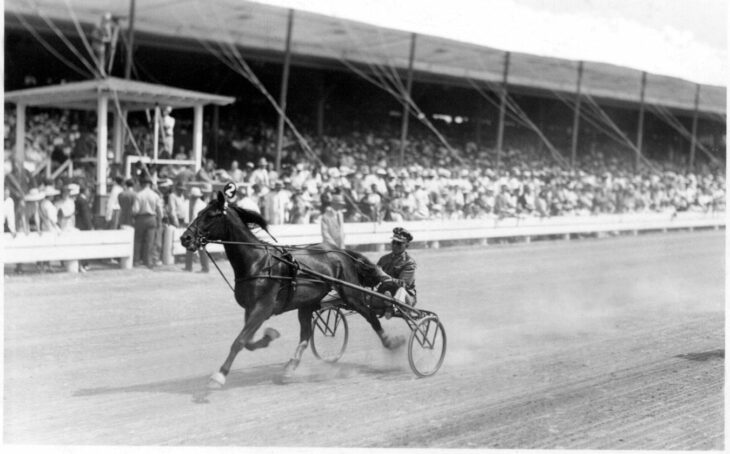
Having won the Hambletonian twice, in 1930 with Hanover’s Bertha and 1937 with Shirley Hanover, the Hanover Shoe Farms’ Lawrence Sheppard had no obvious Hambletonian candidate in 1938. However, he got the success he wanted when he bought the winner shortly before the big race. McLin Hanover turned out to be a spectacular trotter – in fact so good he had to leave the continent.
Read More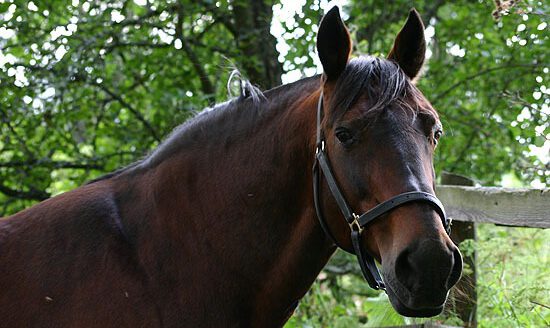
When Juhani Lagerstam started the Laukko trotting stud farm at Vesilahti in Finland he needed a few stallions to use on his many broodmares. The first stallion bought was Super Male, a very average stallion, but the second purchase, Choctaw Brave, imported to the land of the thousand lakes in 1981, changed absolutely everything.
Read More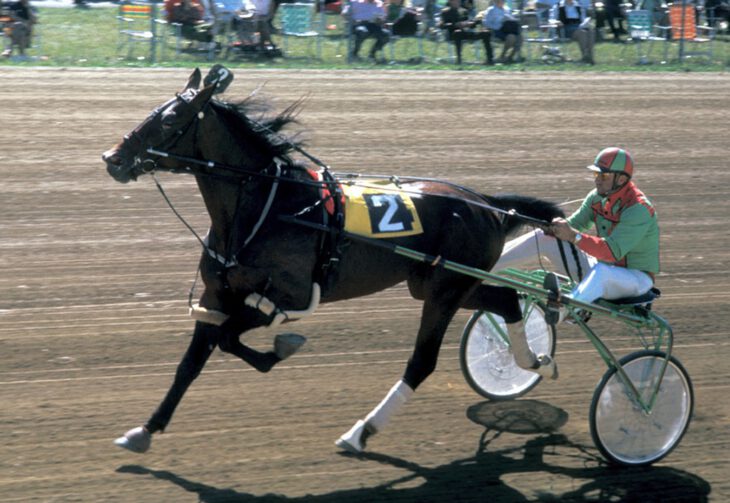
Bred by Almahurst Farm in Lexington and named for a famous golfer, Arnie Almahurst was a near identical clone of his sire – but with more quirky behavior. Known for erratic performances, his most eccentric characteristic was a fear of the starting gate. When he stayed focused, however, the horse was a formidable opponent. After a very promising start to his stallion career, Arnie Almahurst died way too early.
Read More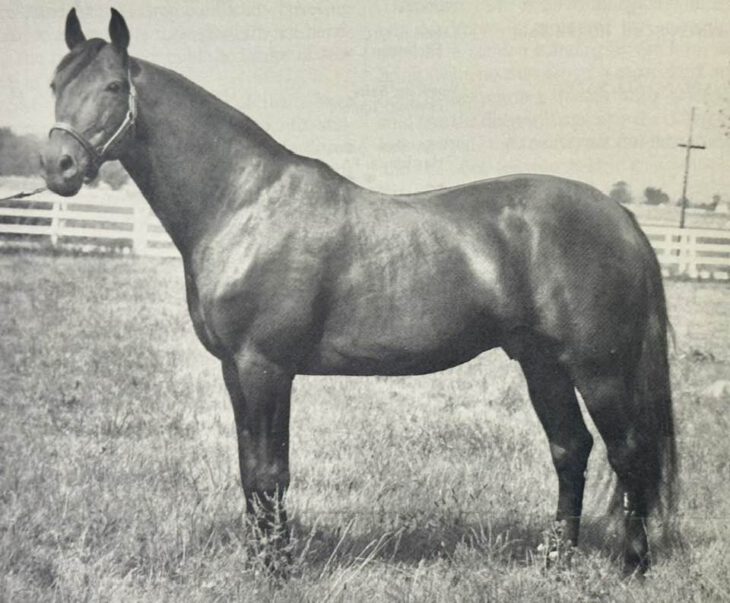
The number of US-born stallions exported to Europe is staggering high, with very few horses going the other way for stallion duty. While some think European-born stallions in the US is a very recent thing, history shows that is not the case. In fact, the first European trotting stallion in the US arrived just a few years after the second World War. The story of Quel Veinard is both strange and fascinating, but more than anything also the story about an almost forgotten horse.
Read More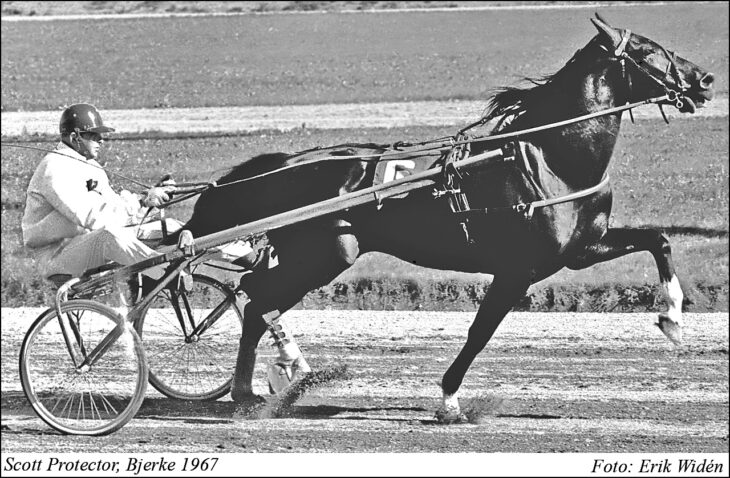
He was one of Norway and Scandinavia’s best trotters for years and hailed from an exceptional group of siblings that included several elite trotters. Though described as “the most intelligent trotter I have ever dealt with”, Scott Protector could be grouchy and a handful at times. Regardless, he was an excellent trotter – and when that wasn’t enough, his trainer employed team tactics against the opposition.
Read More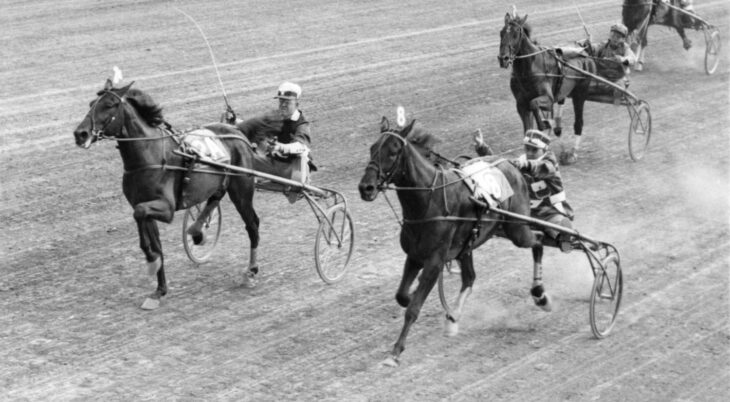
A very good trotter and world champion, he was initially deemed not good to stand stud at Hanover Shoe Farms and sold to Europe. When his Italian buy failed to pay, Star’s Pride was given a small opportunity at stud at the famed nursey. Despite the lack of confidence and not being given the best mares, the colt immdiately showed himself as a spectacular stallion – maybe the best in history.
Read More