France

The queen without a crown

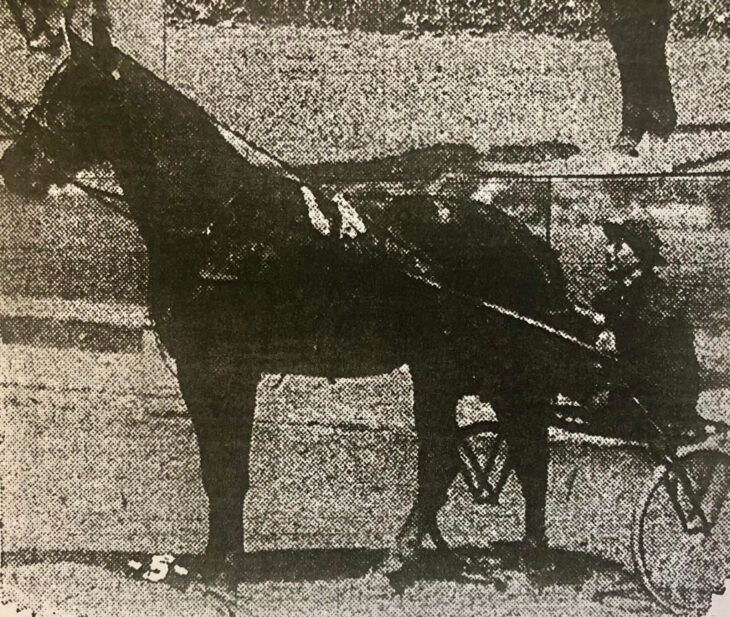
It wasn’t just a win, it was humilating demonstration of supremacy. It was unthinkable really, that an – in North America – unknown French mare could not only defeat, but humiliate the trotter that according to the US fans was undoubtedly the best trotter in the world. However, Une de Mai at her best was nothing short of spectacular. The French queen could be fickle, however, and also lacked luck at times. This caused her to be the only French queen without a crown.

Read More
La reine des reines

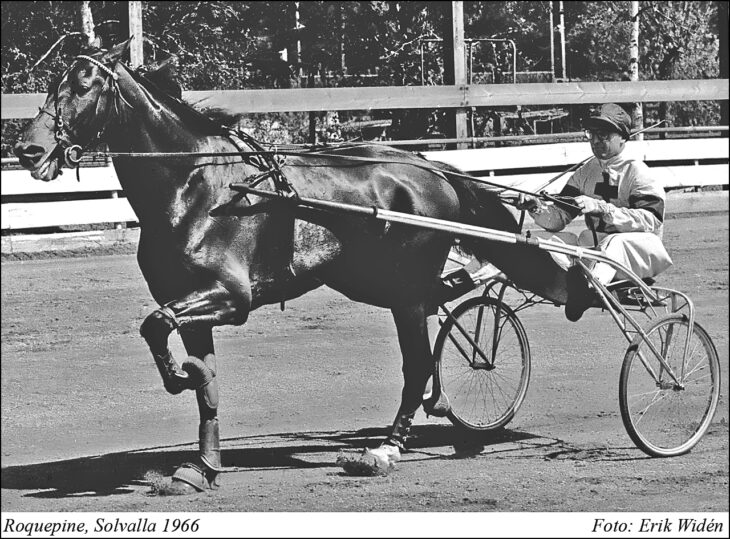
She was the undisputed queen, not only of France but the whole world trotting. In fact, she was so superior that she was excluded from the betting in her 1967 Elitlopp elimination! Roquepine won races all over the world, at every track, distance and position. To top it off, she then gave birth to possibly the most influential stallion in French trotting history, Florestan.

Read More

The big fella bred to the queen

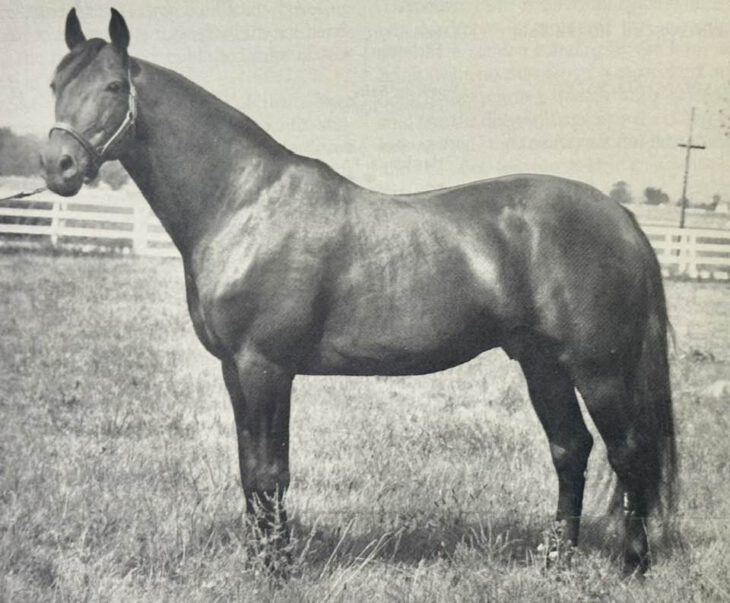
To many he appears to be an average American trotter bred to the first French trotting queen. However, the story of Great McKinney is that of a good horse who just needed a bit of time and then flourished in the US before he was sold to France. Together with French trotting queen Uranie he produced two talented trotters who turned out to be excellent stallions with a big legacy.

Read More

The beautiful experiment

The number of US-born stallions exported to Europe is staggering high, with very few horses going the other way for stallion duty. While some think European-born stallions in the US is a very recent thing, history shows that is not the case. In fact, the first European trotting stallion in the US arrived just a few years after the second World War. The story of Quel Veinard is both strange and fascinating, but more than anything also the story about an almost forgotten horse.

Read More

The first great Franco-American

The Franco-American cross is more popular than ever, and many in the US have also recognized the benefits of such a breeding. It’s often said the cross created a new breed (figuratively, not literally) in the 80s and 90s. Though there is some truth to that, the Franco-American cross was very popular much earlier than that. In fact, more than 100 years ago the French trotter (Trotteur Francais) could not compete with neither the American standardbreds nor the Russian orlov trotters. Then came a French-American cross to establish himself as the first French international star.

Read More