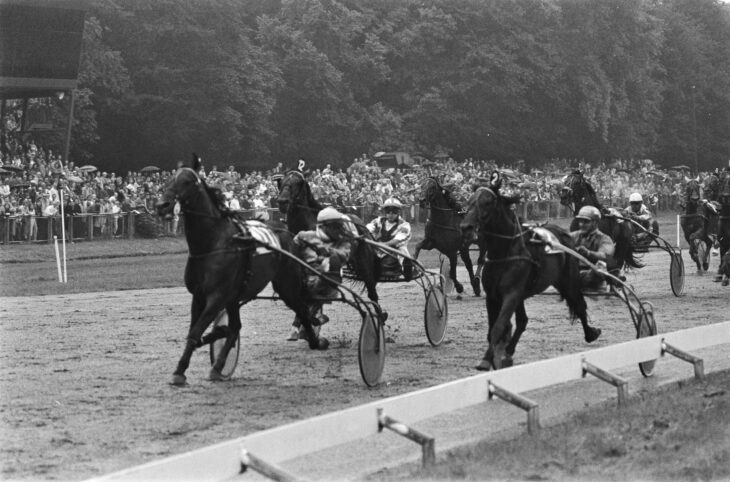
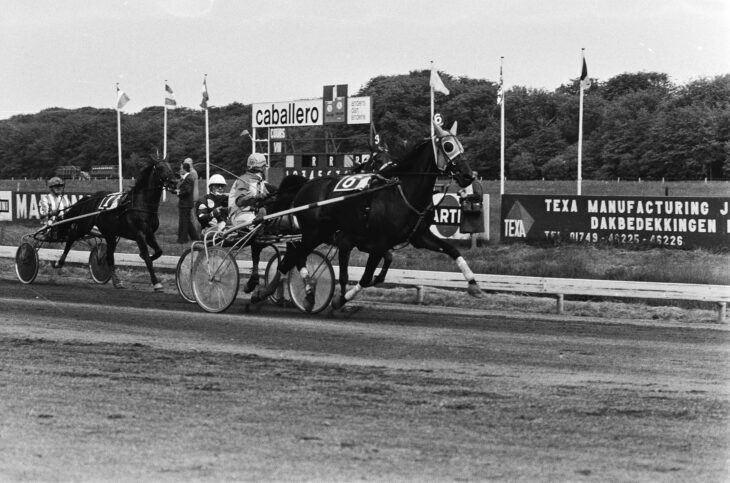
Her breeders bought a mare they didn’t really want at auction, and didn’t even know she was in foal to an unpopular sire. The resulting filly was stubborn and difficult to break. However, when she first started trotting, the filly did nothing else – and usually faster than everybody else. From humble beginnings in the north of Netherlands, Action Skoatter gained worldwide recognition in the 1988 Elitlopp for both her looks and her whirlwind speed.
Read MoreAuthor - Lisa
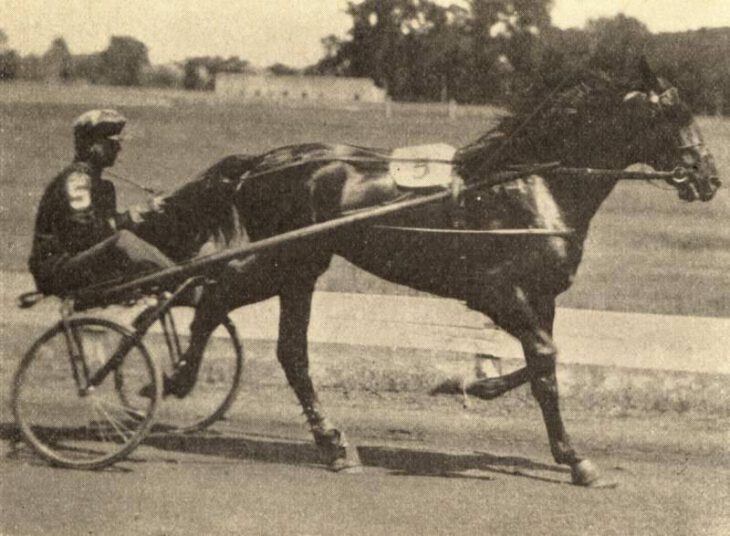
From humble beginnings, he became one of the best three-year-olds, then went on to dominate as an aged trotter. In was at stud he established himself as one of the true legends of trotting, though, but it was a stroke of luck that Speedy Crown wasn’t lost to American trotting after his two-year-old season.
Read MoreHe was a nasty colt, and the only – to date – Elitlopp-winner to be led to the winners’ circle by two grooms holding a chain. The blue-blooded trotter Jorky was no treat to be around, and he was a handful for his opponents as well. The only horse to win all four group I-Criteriums in France, Jorky was a mean superstar.
Read MoreShe was bought as a bit of a gamble, and let her nerves get the better of her in her European debut. It wouldn’t take long for the mare to be the darling of hew new country, however. Dutch trotting fans adored Speedy Volita, the mare who won a massive 99 wins in her new homeland and became so popular she even got her own song.
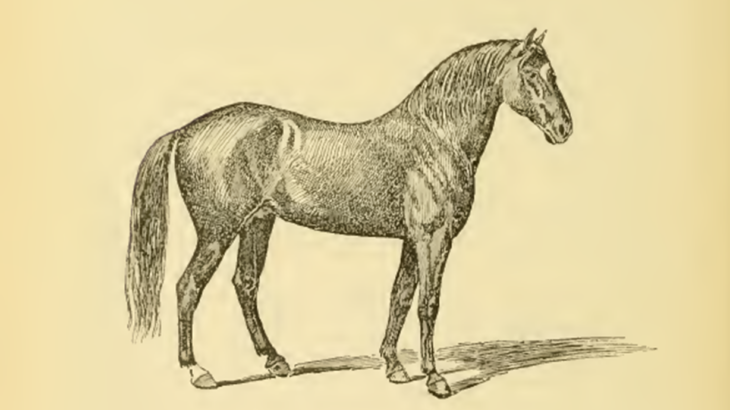
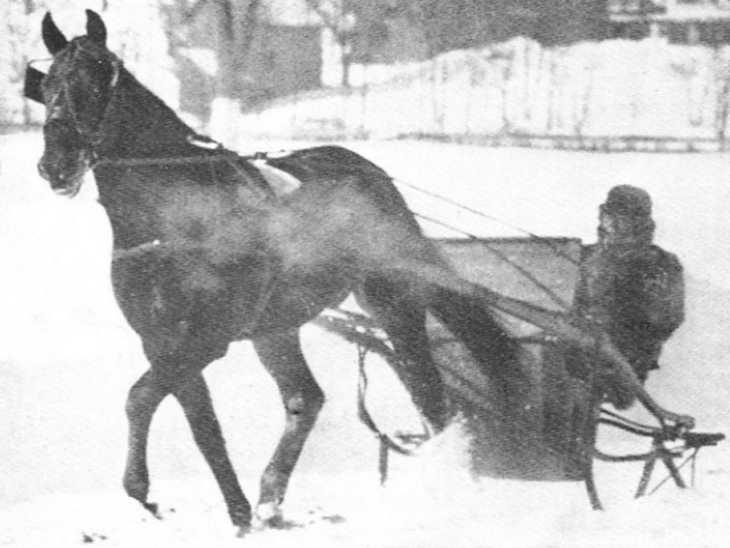
Read MoreHe was discredited and a victim of manipulation of historical facts. As head of the family carrying his name, Henry Clay was the offer of malicious rumors, but did play a role in the development of both the American and French trotter.
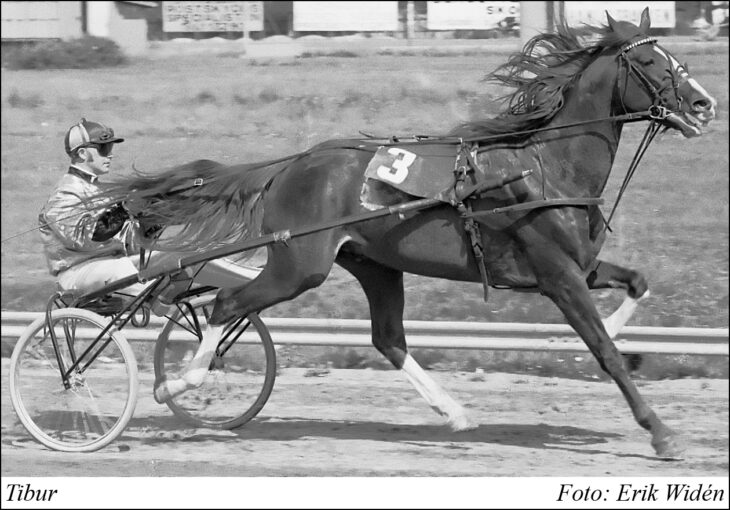
Read MoreFrench trotters that visited Sweden in the 50s tended to dominate and the desire to bring in French bloodlines were very strong. When the French-born Tibur was brought to Scandinavia, however, the colt was rejected by the Swedish breeding commission. However, following the old adage that “cream always rises to the top”, Tibur proved himself a true elite stallion but only got his chance because of a loophole in the rules.
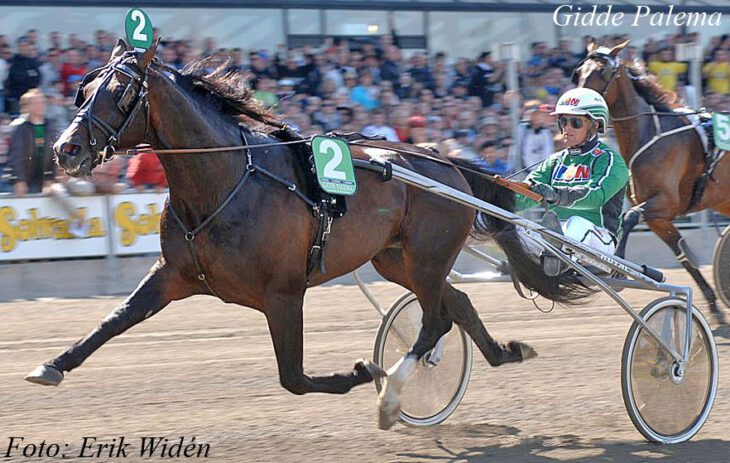
Read MoreWhen Åke Svanstedt recorded a fantastic win in the 2004 Elitlopp, he did it with a horse that two years earlier had been retired. But after 18 months away from the track, Gidde Palema returned in style and when the excellent trotter could race barefoot he was an almost impossible proposition for his competitors.
Read MoreHe was talented but a contagious virus ruined his three-year-old season. Being sold to Europe got Bulwark’s career back on track but it was as a stallion he became truly legendary. Despite a relatively limited number of foals, the colt completely dominated the stallion ranks in his new home country.
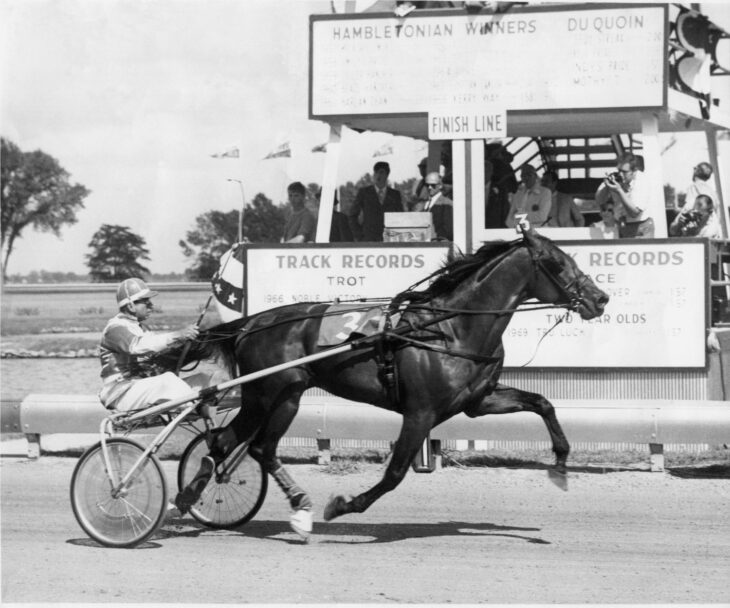
Read MoreHe was the unlikeliest of Hambletonian heroes. His breeder felt forced to buy his dam despite not wanting her, and also felt cheated when he first saw his new broodmare. His trainer cheered for another horse. His driver felt so sure he couldn’t win that he didn’t even invite his family. But in the 1992 Hambletonian final, Mickey McNichol and Alf Palema found the tiniest of openings to sprint to victory.
Read MoreThe New England-star was sold to Europe and impressed the French so much he was purchased by their national stud. Despite all the high hopes, though, Net Worth turned out to be highly average as a stallion. There was nothing average about his performances on the track, however, as illustrated by him humiliating the French elite at Vincennes when he was 11.
Read More