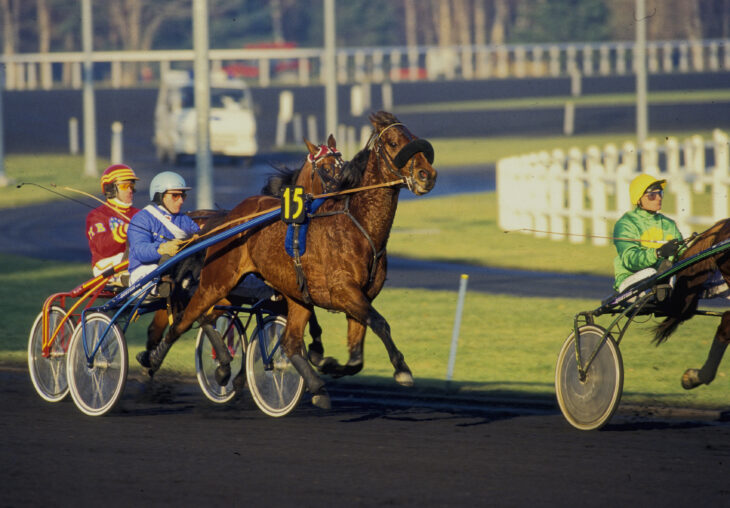
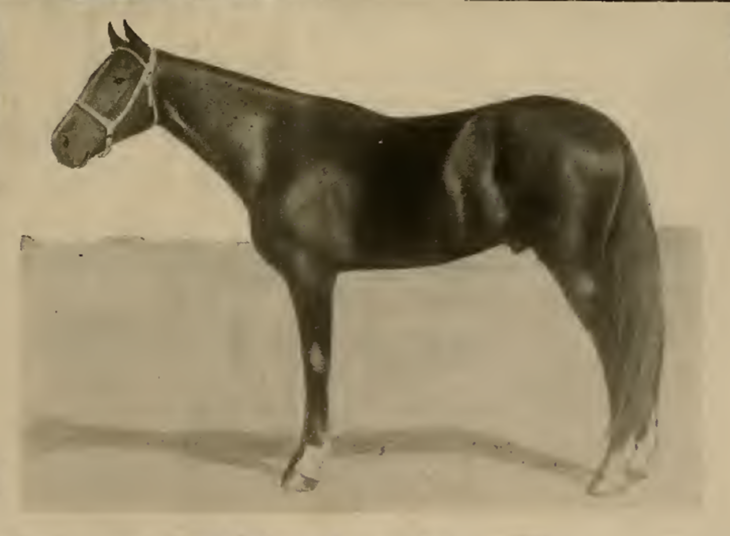
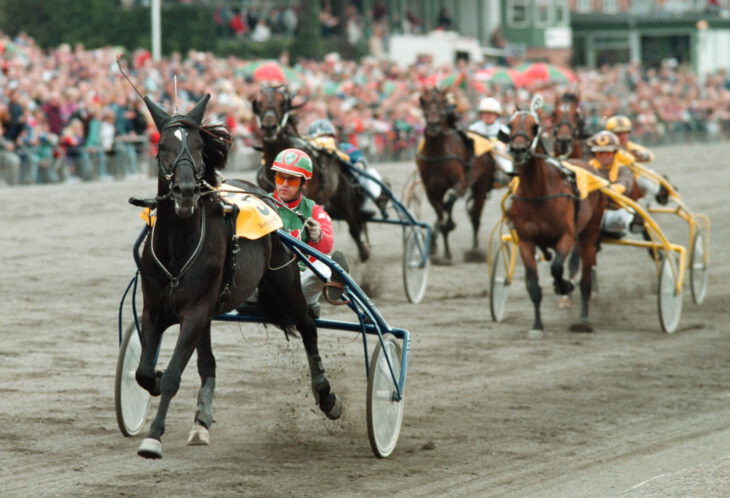
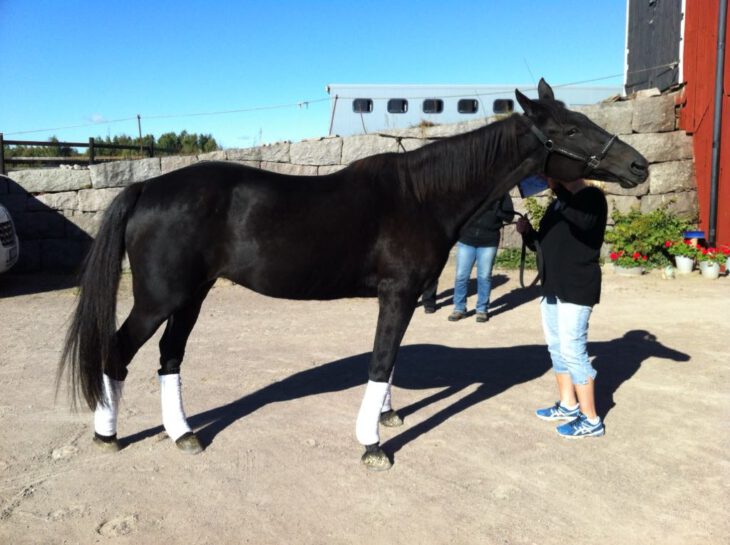
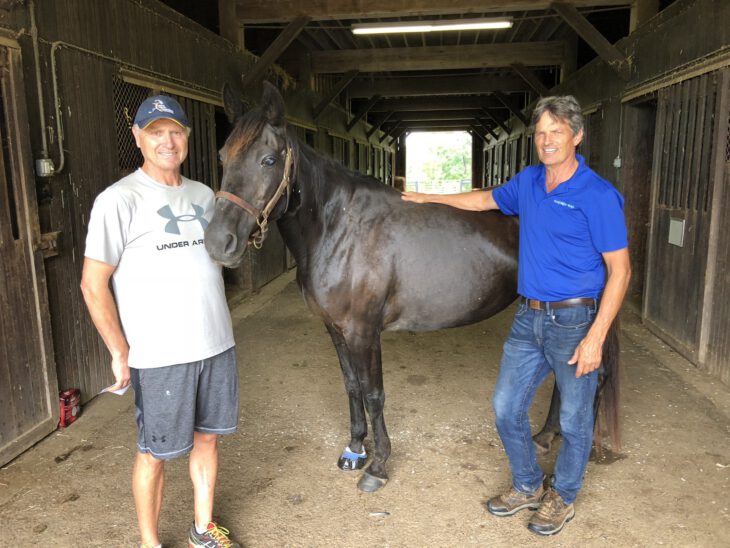
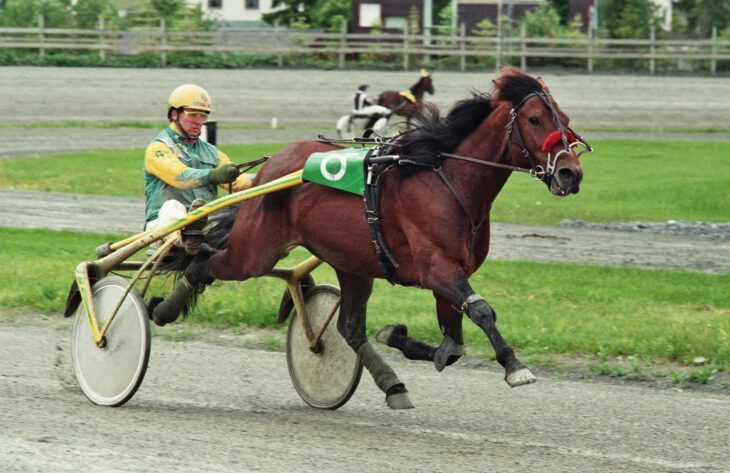
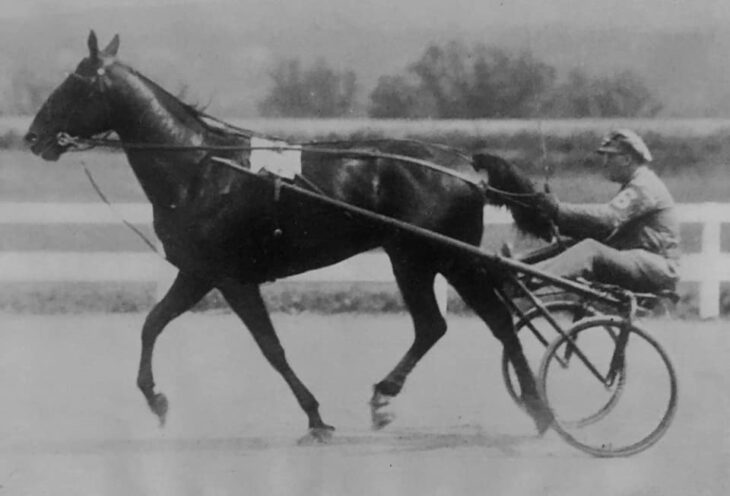
A supremely fast trotter, he is most famous for stumbling shortly ahead of the wire in the Hambletonian with victory within reach. Sold to Europe not long after equaling a world record at 4, Brown Berry later likely became a clandestine stallion in France.
Read MoreAuthor - Lisa
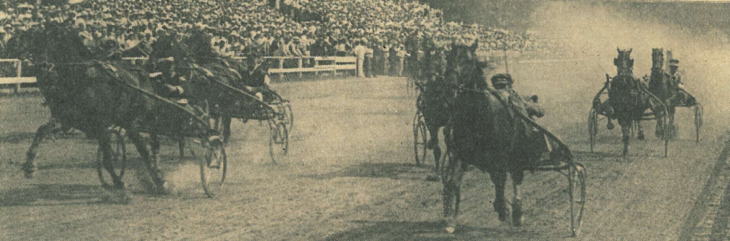
When the French studbook was briefly opened between 1987 and 1992, conservative French breeders generally nixed the opportunity to breed their mares to foreign sires. Some even went as far as claiming they “didn’t want to plant weed in their garden”, saying in no unclear terms that the American standardbred had absolutely nothing to offer the French trotter whose studbook had been closed since 1937 and only opened for five foreign-born stallions and a few other exceptions. Despite what the naysayers claimed, though, opening up the studbook took French trotting to a completely new level – and the best example of this is Coktail Jet.
Read MoreShe was an aloof and difficult mare, preferring to be left alone even when she went blind. Medio is also one of the most important matrons in history.
Read MoreHe set several world records, is one of few horses to beat Varenne fair and square and went on to become one of the best stallions the world has ever seen. To his trainer, though, Viking Kronos was more than just a spectacular racehorse and stallion. He was everything. “God has created him, he’s a phenomenon. Then I have been given the great honor of taking care of him, for which I am eternally thankful”, Kolgjini said after the horse’s win in the E3 final in 1998.
Read MoreWhen Googoo Gaagaa burst onto the Maryland scene many didn’t know what to think. A world record for 2-year-olds on a half mile track was impressive, but could he really be that good? As it turned out, at his best he was even better. Persistent injury problems caused an early retirement, but the hybrid-bred trotter then went from impressing on the track to impressing at stud.
Read MoreHe was seemingly on his way to massive international stardom, but lady luck didn’t shine her light on Rudolf Le Ann. His owner died in a plane crash on the way to watch his beautiful black colt race, and two years later, as the colt appeared to be “better than ever,” he was struck with a life-threatening illness which set him back permanently.
Read MoreWhen Soviet trainer Maria Burdova wanted to drive Apex Hanover in the Prix d’Amerique in 1965 she was denied with the explanation that sitting in a sulky “is an unnatural position for a woman.” 30 years later the world had finally moved forward and Helen Ann Johansson became the first female driver to win the Prix d’Amerique when she drove Ina Scot to victory.
Read MoreSome horses have the potential to change somebody’s life. A superstar in Quebec, the mare initially named Fontaine Angus was invincible at 2 and became a life changer for her trainer. After a stellar career, Emilie Cas El followed up as a broodmare by producing a Hambletonian-winner.
Read MoreIn 1989 Olav Christiansen, a farmer in the Norwegian village Åsenfjord, lost the right to let his sheep grace in the nearby mountains in the summer, so he decided to quit sheep farming and focus on harness racing. Trading his remaining sheep for a a yearling filly and an unborn foal, Christiansen made one of the most lucrative and one-sided deals in harness history.
Read MoreThe royally-bred colt was not a traditional early talent like many top US trotters. Only at 4 was Peter the Brewer ready to compete at a high level, but then he became an elite trotter in no time and was seen as a likely candidate to be one of the first 2:00 trotters.
Read More