Author - Lisa

The origins of the ghost

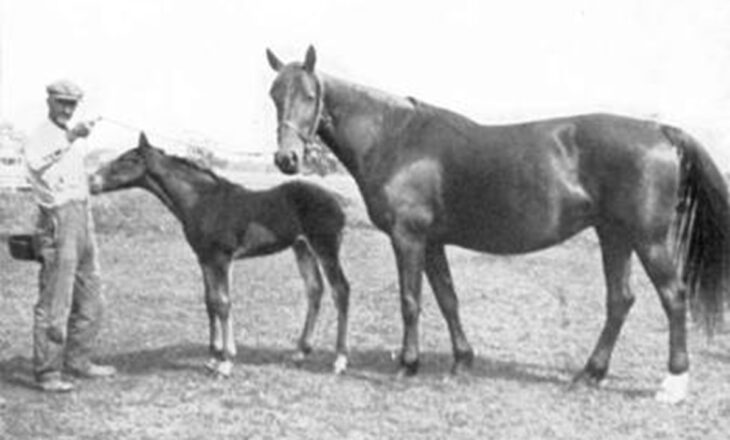
The gray mare Molly J was 3/4 thoroughbred, but her daughter Mary Bales was a trotter like her sire Montjoy. In fact, Mary Bales turned out to be one of the best trotters in Circleville, Ohio for her owner Jesse Jones. When her racing career was over, Jones gave the mare to Zack Brewer. The new owner bred her to Zombro and in 1905 she gave birth to the pacing mare Zombrewer. The grey mare was an excellent racehorse and an even better broodmare.

Read More
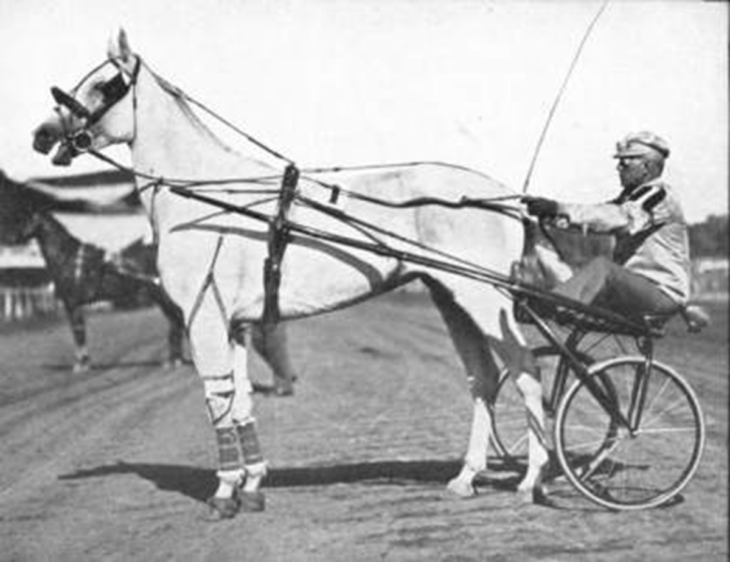
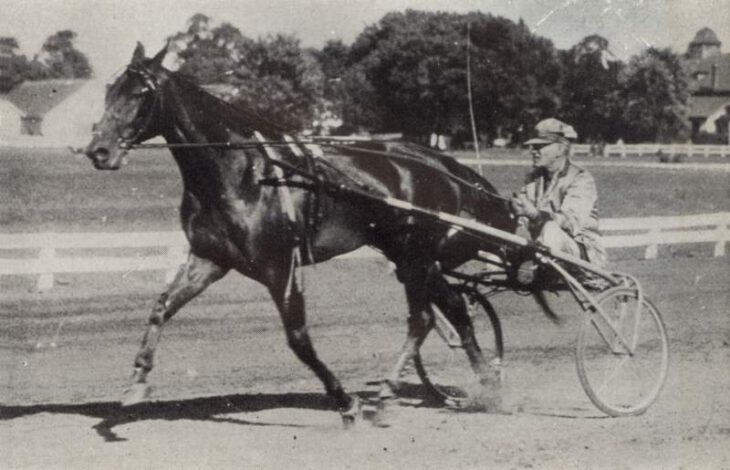
The Hambo-winner who disappeared

Volomite is generally considered one of the best stallions in trotting history. It’s important to remember, though, that Volomite was only the second best in his crop on the track. However, while Volomite proved his worth at stud in safe surroundings in the US, quite the opposite was the case with his superior, Walter Dear, who eventually was trapped in a war-torn Germany.. This is the story of the only Hambletonian winner in history whose fate is unknown.

Read More

The blind champion

He was champion stallion for many years, even after his death, in Norway. What many did not know is that he was initially considered a very good trotter in his crop in the US. Senator Ford was practically blind early in life, however, and for welfare reasons was not allowed to race. At stud, however, there was no stopping Senator Ford.

Read More

The hybrid

The idea of crossing trotters and pacers is nothing new, and every so often a star trotter with this background emerges. In the 1970s the foremost trotter-pacer cross was Zoot Suit, bred by Norman Woolworth. His oddball pedigree meant he wasn’t an attractive stallion to US breeders upon retirement, but in Sweden he was welcomed with open arm and became a stallion sensation.

Read More

The first Ukrainian star

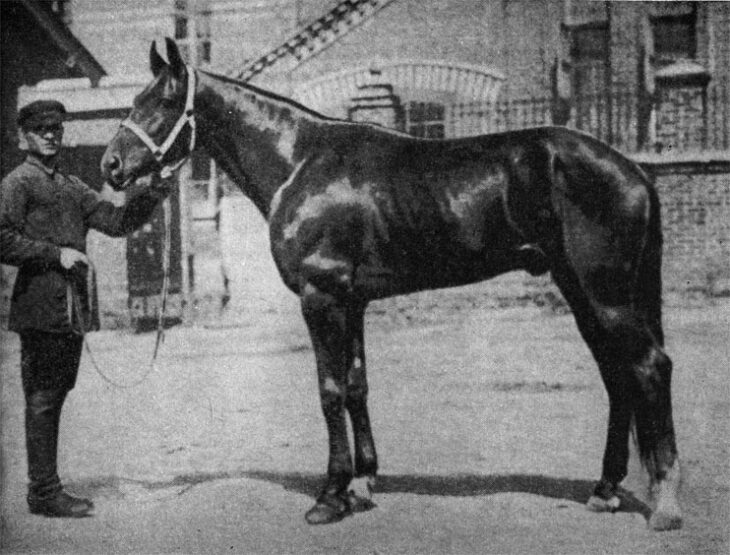
The first World War took an especially heavy toll on Ukraine as well as the Russian Empire as almost all horses perished. One US import survived, however, and after the war gave birth to one of a good trotters who turned out to be one of the best stallions ever seen in Eastern Europe. While he was very good on the tracks, as a stallion Gildeets dominated Soviet trotting for many years.

Read More

The vicious superstar

The only horse in history to set world records at 1, 2, 3 and 4 before eventually becoming one of the great stallions in history, Peter Volo was a champion both on and off the track. He was not a friendly horse, though, and had a terrible temperament. Though considered one of the pillars of harness racing history, Peter Volo was on track to be forgotten as a stallion given his poor production. One man, however, refused to give up how in the foul-tempered stallion and persisted in his efforts to buy him – a purchase which would change history.

Read More

The family head

Grey trotters have always caught the attention of the public, Greyhound naturally being a big reason. Of the thousands of stallions at stud before 1900, very few were successful sires of speed – and almost no grey ones. One exception, though, was Pilot Medium who sired Peter the Great. Pilot Medium’s grey coat is inherited from his damsire, Pilot Jr, who was a famous horse in his time and widely acknowledged as the best horse in “the Pilot family.”

Read More

The choking horse

The Norwegian Trotting association started to keep stallion records in 1928, and every year until 1936 the Kentucky-born chestnut stallion The Eno was the undisputed champion. However, the excellent trotter and stallion had a rough start on his career causing wanna-be comedians to suggest the horse shouldn’t be trotting but rather be touring with a circus.

Read More

The undefeated

He had to wait until he was almost 40 before he had enough money to buy a horse, and ended up with broodmares others didn’t want. Then he was refused to breed these mares to the stallions of his choice and had to settle for an untested and relatively cheap debut stallion. Despite all this, Charlie W Williams bred an undefeated superstar of his time in Axtell, who in turn sired one of the sport’s foundation sires.

Read More