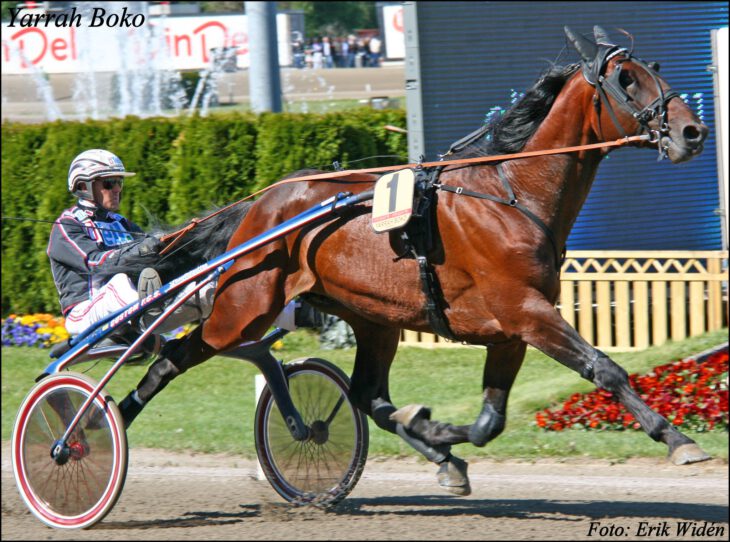
It’s almost like the story of the ugly ducking. When Jan-Erik Andresen bid on the colt as a yearling, he thought his future star looked more like a moose. Though the big, burly colt was never a swan, eventually Yarrah Boko grew into one of the best long-distance trotters in Europe.
Read MoreAuthor - Lisa
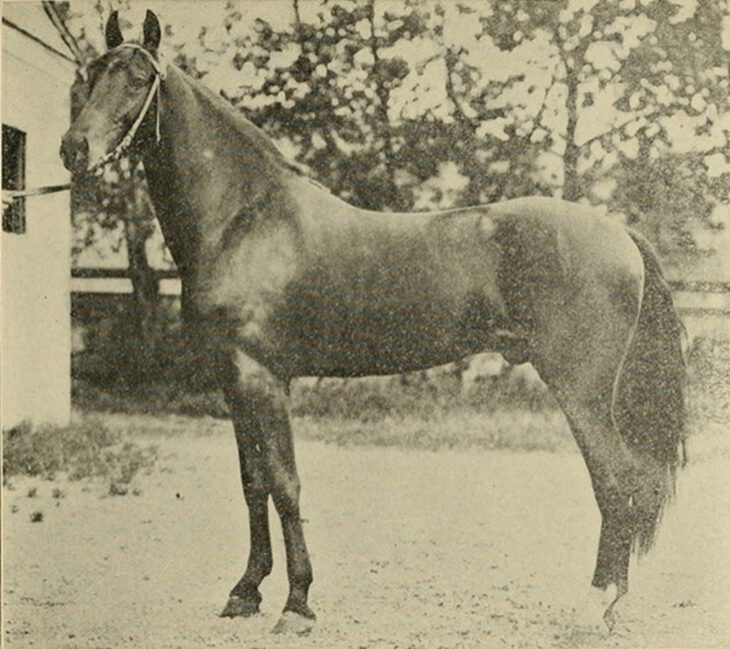
In 1938, Good Time Stable owner William Cane sold McLin, shortly after renamed McLin Hanover, just one week prior to the Hambletonian. In 1946 he repeated that by selling Chestertown to Walter E Smith of Los Angeles, president of the Western Harness Racing Association, just three days prior to the biggest race. Both horses, of course, went on to win the Hambletonian.
Read MoreIn Sweden one horse is, above all, responsible for the growth of harness racing. According to famed trainer Stig-H Johansson, trotting in Sweden has Ego Boy to thank for its popularity. The horse was an unlikely superstar that came from nowhere to become one of the world’s top aged trotters before his unexplainable death while still at the top.
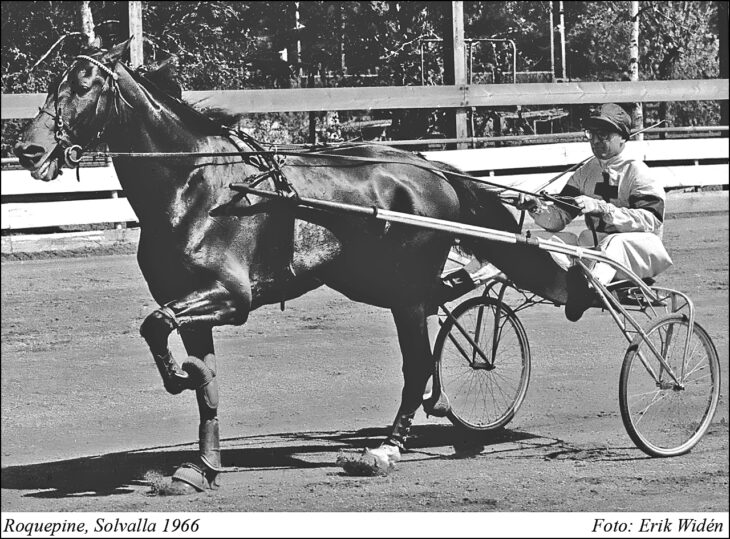
Read MoreShe was the undisputed queen, not only of France but the whole world trotting. In fact, she was so superior that she was excluded from the betting in her 1967 Elitlopp elimination! Roquepine won races all over the world, at every track, distance and position. To top it off, she then gave birth to possibly the most influential stallion in French trotting history, Florestan.
Read MoreHe won one of the most prestigious races of all time, then retired to become an elite stallion. His performances in Europe in 1988 are still occasionally talked about by Scandinavian trotting fans who all agree on one thing: there was something really special about Sugarcane Hanover.
Read MoreIt’s a good thing horses don’t know what humans expect of them, otherwise chances are high that Victory Song would have crumbled under pressure. The blue-blooded colt struggled with unsoundness throughout his career and was seen as lacking mental toughness. When it clicked, though, the horse was a phenomenal trotting machine who some people even thought could challenge Greyhound’s legendary record.
Read MoreEven though Hambletonian is universally regarded as the founding sire of the standardbred there have been others that looked to be great sires but now are largely forgotten. The most important of these is probably the Indiana bred Blue Bull, a pacer whose get were primarily trotters. Outperforming the legendary father of trotters, Hambletonian, back in the day, Blue Bull is almost completely forgotten and has now slipped into obscurity.
Read MoreBeing first usually carries prestige and being the first Hambletonian winner carries a certain immortality to it. The massive $73,451.32 purse – more than five times the 1926 Kentucky Futurity purse ($14,000) – attracted 14 hopefuls to the mile track in Syracuse. While Hazleton was the pre-season favorite, Guy McKinney was not considered to have much of a chance. A new trainer turned the colt around, however and Guy McKinney went on to have a great three-year-old season.
Read MoreTo many he appears to be an average American trotter bred to the first French trotting queen. However, the story of Great McKinney is that of a good horse who just needed a bit of time and then flourished in the US before he was sold to France. Together with French trotting queen Uranie he produced two talented trotters who turned out to be excellent stallions with a big legacy.
Read MoreJ Malcolm Forbes was one of the biggest owners and breeders of standardbreds from 1890 until his death in 1904. Forbes shelled out massive amounts for several horses including Nancy Hanks and Arion. The millionaire believed the best of all the horses he owned, though, was a lesser known horse called Vice Commodore. A horse who left a lasting legacy through two daughters, but whose death wasn’t even noticed when it happened.
Read More